2026-08-25 ·
SR22 Coverage Differences Between Cheyenne and Rural Wyoming Roads
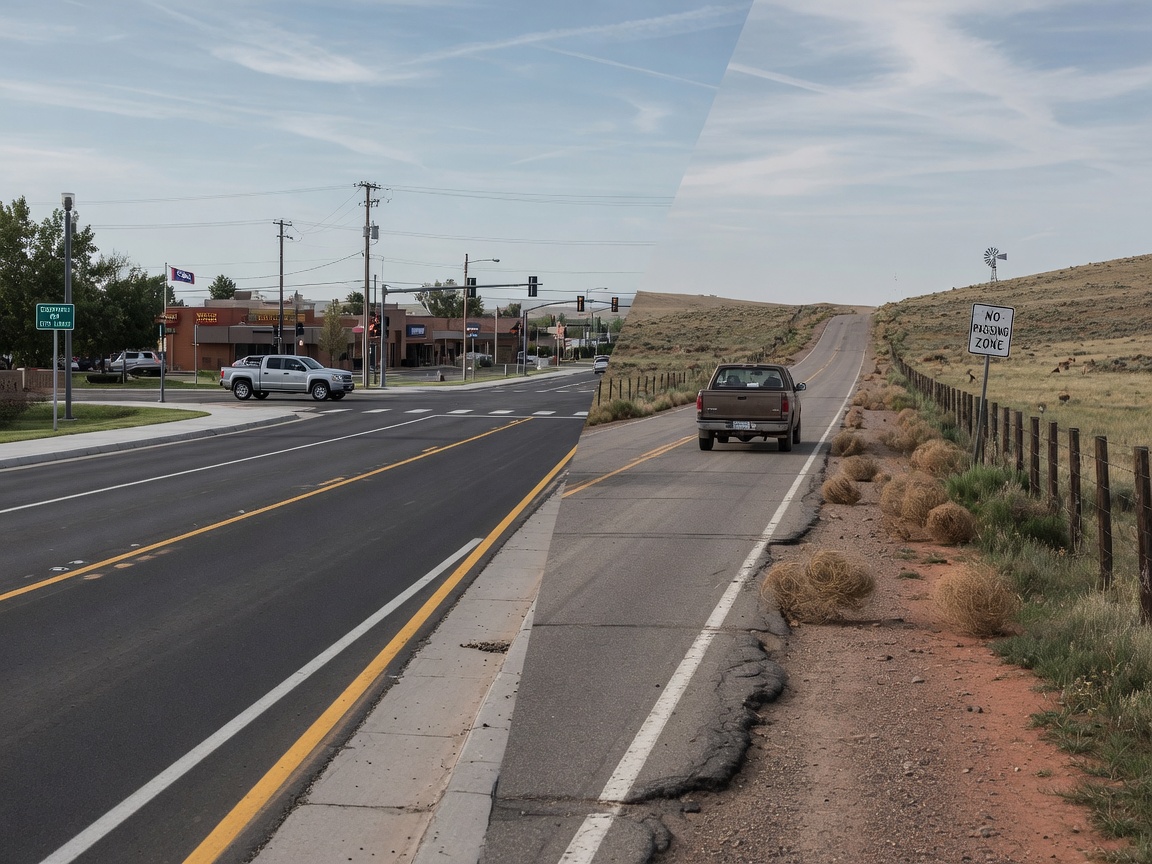
SR22 coverage for Cheyenne residents typically requires $25,000 bodily injury per person and $50,000 per accident plus $20,000 property damage to satisfy Laramie County DMV filings, whereas rural Wyoming roads around Burns and Carpenter often push minimums higher to $50,000/$100,000 due to extended distances and wildlife encounters that increase claim severity.
Cheyenne Urban Driving Patterns
Drivers in neighborhoods such as South Cheyenne, West Cheyenne, and East Cheyenne encounter stop-and-go traffic near the Wyoming State Capitol and Cheyenne Depot Museum, raising the likelihood of multi-vehicle incidents during peak hours. Cold semi-arid winters bring ice on older pavement in the Historic District and North Cheyenne, where many homes date to the early 1900s and narrow streets limit maneuvering room. These conditions increase at-fault accident rates, prompting insurers to scrutinize SR22 filings more closely for urban commuters who log under 12,000 miles annually yet face higher intersection risks. Terrain remains flat but drainage issues near the Cheyenne Botanic Gardens can create black ice patches after light snow, directly affecting how quickly claims are processed. Local operators note that filings here emphasize short-trip liability because daily routes stay within city limits rather than spanning county lines.
Rural Road Realities in Laramie County
Travel beyond Cheyenne toward Carpenter or Burns shifts the risk profile toward longer hauls on two-lane highways with gravel shoulders and limited lighting. Cold winters extend response times for roadside assistance, and warm summers bring dust storms that reduce visibility on open stretches. SR22 policies for these routes must account for higher potential property damage from single-vehicle rollovers or livestock collisions, often requiring riders that cover 50 miles or more from home base. The county's semi-arid climate produces freeze-thaw cycles that crack rural asphalt faster than city streets, leading to more frequent tire and suspension claims. Operators familiar with these roads recommend reviewing policy language for out-of-area coverage before filing an SR22, especially when commuting patterns mix urban errands with county travel.
Weather and Seasonal Adjustments
Winter temperatures dropping below zero in Laramie County force earlier renewals for SR22 policies because road salt accelerates vehicle wear on both city and rural fleets. Cheyenne summers stay milder but still see hail events that damage roofs and windshields near Lakeview and Sunnyside, indirectly raising comprehensive needs for high-risk drivers. Rural drivers face added exposure when heading to events at the Cheyenne Frontier Days Arena or Old West Museum, where parking lots and return trips coincide with sudden weather shifts. These patterns mean coverage gaps appear faster on policies that ignore seasonal mileage spikes of 20 percent during Frontier Days week.
Non-Owner and Commuter Considerations
Residents without vehicles who still need SR22 filings often commute from Cheyenne to rural job sites and benefit from non-owner SR22 insurance that covers borrowed or rented cars on mixed routes. This option addresses gaps when primary transportation shifts between city errands and longer drives to Carpenter. Policyholders should also review what happens if your SR22 policy lapses in Wyoming to avoid DMV holds during peak winter months when road conditions already complicate daily travel.